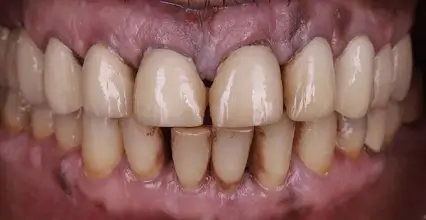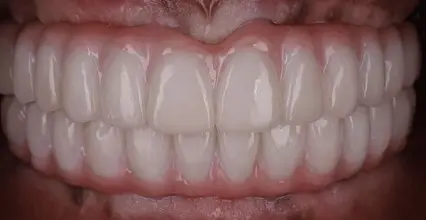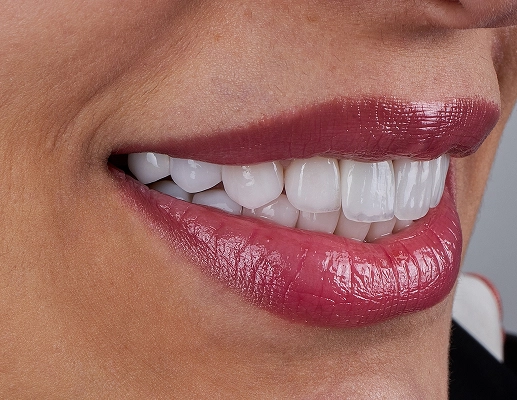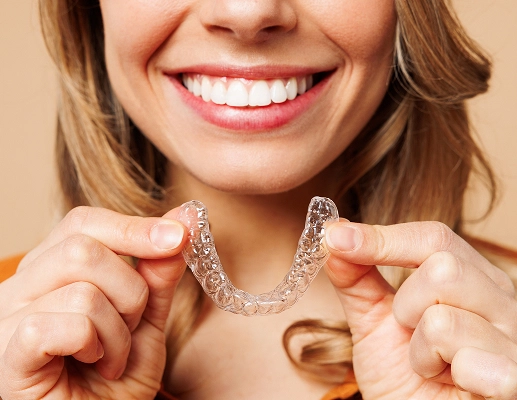
50% OFF INVISALIGN, 50% OFF DENTAL IMPLANTS

Dental Procedures Explained San Luis Obispo CA: Your Friendly Guide to Comfortable, Modern Care

Dental procedures can seem confusing or even intimidating, especially if you’re not familiar with the terms and options available. In San Luis Obispo, dentists focus on making treatments comfortable, understandable, and effective for every patient. Common procedures like cleanings, fillings, crowns, and root canals are designed to restore oral health while minimizing discomfort.

Many modern dental offices use the latest technology to help patients feel at ease and ensure precise care. From preventive services that keep small issues from becoming big problems, to restorative treatments tailored to individual needs, San Luis Obispo dental practices emphasize personalized care. Patients can expect clear explanations of what each procedure involves and why it’s important.

Understanding these procedures helps people feel more confident about their dental visits and encourages proactive care. If you’re curious about how specific treatments work or wondering what might be right for you, talking to a local dentist is a great step toward a healthier smile.

Understanding Dental Procedures in San Luis Obispo

Blog image

Dental care in San Luis Obispo is designed to keep smiles healthy and comfortable. Whether a patient needs a routine cleaning or more advanced treatment, local dentists focus on gentle, effective care.

Common procedures include cleanings, fillings, and crowns. Cleanings remove plaque to prevent cavities and gum disease. Fillings restore teeth damaged by decay, typically using tooth-colored materials that blend naturally. Crowns protect weakened teeth and restore their shape and strength.

More complex treatments like root canals or dental implants are also available. Root canals save infected teeth by removing damaged pulp, while implants replace lost teeth with stable, long-lasting alternatives. These procedures use the latest technology to reduce discomfort and speed healing.

Preventive care remains a priority. Regular visits allow dentists to catch issues early, saving time and money. Patient education on brushing and flossing is a key part of maintaining oral health between appointments.

Here’s a quick look at some standard procedures:

Procedure Purpose What to Expect
Cleaning Remove plaque, prevent disease Quick, painless, regular checkup
Filling Treat cavities Minor discomfort, local numbing
Crown Protect damaged teeth Multiple visits, natural look
Root Canal Save infected tooth Pain relief, follow-up care
Dental Implant Replace missing tooth Surgical placement, healing time

Patients in San Luis Obispo can feel confident about seeking care. Dentists focus on comfort and clear communication. If questions arise about treatments or options, a conversation with a local dental expert is the best first step.

Common Preventive Dental Treatments

Preventive dental care helps maintain healthy teeth and gums, avoiding pain and costly procedures later. These treatments focus on stopping problems before they start, promoting strong enamel and detecting issues early.

Professional Dental Cleanings

Professional cleanings remove plaque and tartar buildup that regular brushing misses. Dental hygienists use special tools to clean teeth thoroughly, especially around the gum line where bacteria hide.

This process reduces the risk of cavities, gum disease, and bad breath. It usually takes about 30 to 60 minutes, depending on the patient’s oral health. After cleaning, teeth feel smooth and look brighter.

Regular cleanings every six months are recommended to keep both teeth and gums in top shape. Patients with specific conditions may need more frequent visits.

Comprehensive Oral Exams

During a comprehensive exam, the dentist checks teeth, gums, tongue, jaw joints, and bite alignment. This thorough evaluation helps spot early signs of decay, gum disease, or other oral concerns.

Dentists may use X-rays to see beneath the surface and identify issues like cavities between teeth or bone loss. The exam also includes evaluating risk factors such as diet, habits, and medical history.

Early detection during these exams can prevent complicated procedures later on. They provide a clear picture of overall oral health and guide personalized care plans.

Dental Sealants

Dental sealants are thin protective coatings applied to the chewing surfaces of molars and premolars. These areas have grooves where food and bacteria often get trapped, leading to cavities.

Sealants act as a barrier, sealing the grooves and preventing decay. The application is quick, painless, and lasts several years with proper care.

This treatment is especially helpful for children or adults prone to cavities. Sealants complement regular brushing and flossing, offering an extra layer of defense.

Fluoride Treatments

Fluoride strengthens tooth enamel, making it more resistant to decay. Fluoride treatments involve applying a concentrated gel, foam, or varnish directly to the teeth in the dental office.

This treatment helps repair early enamel damage and slows the loss of minerals from the tooth surface. Fluoride therapy is particularly useful for patients with a history of cavities or sensitive teeth.

Sessions usually take just a few minutes and are safe for most patients. Dentists recommend fluoride treatments based on individual risk factors and oral health status.

Restorative Dental Procedures

Restorative dental work focuses on repairing teeth damaged by decay, injury, or wear. These treatments aim to bring back both function and appearance, helping patients chew comfortably and smile confidently.

Fillings for Cavities

Fillings are one of the most common ways to treat tooth decay. When a cavity forms, the dentist removes the decayed part and fills the space with materials like composite resin or amalgam. Composite fillings are tooth-colored, blending naturally with the rest of the tooth.

This procedure typically only takes one visit and is painless with local anesthesia. Fillings stop further decay, protect the tooth structure, and restore normal function. Patients usually feel little difference after, though they may notice slight sensitivity for a few days.

Proper oral hygiene and regular check-ups help fillings last several years, making them a dependable choice for small to moderate cavities.

Dental Crowns

Dental crowns act like caps that cover a damaged or weakened tooth. They are used when a filling isn’t enough, such as with large cavities, cracked teeth, or after root canal therapy. Crowns restore the tooth’s shape, strength, and appearance.

Made from materials like porcelain, ceramic, or metal, crowns are custom-fitted. The process involves reshaping the natural tooth and then cementing the crown over it. This usually requires two visits: one for shaping and impressions and the next for placement.

Crowns improve chewing ability and protect teeth from breaking. With good care, they can last 10 to 15 years or longer.

Root Canal Therapy

Root canal therapy treats infections that reach the tooth’s inner pulp. This procedure relieves pain and avoids tooth extraction by removing infected tissue inside the tooth.

During treatment, the dentist cleans the canals, shapes them, then seals the space to prevent future infection. It can usually be done in one or two visits with local anesthesia to ensure comfort.

Afterward, the tooth often needs a crown to strengthen it. Root canals save natural teeth and restore health, allowing normal biting and smiling without discomfort.

Cosmetic Dental Options in San Luis Obispo

San Luis Obispo offers a range of cosmetic dental treatments that focus on improving the appearance of teeth with comfortable, effective methods. These options address common concerns like stains, chips, and uneven teeth using modern materials and techniques.

Teeth Whitening

Teeth whitening in San Luis Obispo uses safe, professional treatments to brighten smiles by several shades. Unlike over-the-counter products, in-office whitening delivers faster and more noticeable results under dental supervision. This process typically involves applying a peroxide-based gel to the teeth and activating it with a special light.

Patients can choose between in-office whitening sessions or take-home kits customized by their dentist. Sensitivity during or after treatment is common but usually mild and temporary. Many whitening procedures can refresh a smile in just an hour, making it a popular option for quick transformation before special events or everyday confidence boosts.

Dental Veneers

Dental veneers are thin, custom-made shells of porcelain or composite resin that cover the front surfaces of teeth to change their color, shape, or size. They are ideal for hiding discoloration, small chips, gaps, or slightly crooked teeth without extensive orthodontic work.

In San Luis Obispo, dentists use digital impressions to ensure precise fit and natural appearance. The procedure usually takes two visits—one to prepare the teeth and another to bond the veneers. Veneers are durable but require good oral hygiene and regular dental visits to maintain their look and function.

Cosmetic Bonding

Cosmetic bonding is a quick, minimally invasive procedure that repairs minor dental flaws using tooth-colored resin. It can fill small gaps, fix chips, reshape teeth, and cover discolorations without removing much enamel.

The resin is applied directly to the tooth, sculpted to the desired shape, then hardened with a curing light. This process typically takes one visit and offers a cost-effective solution for improving the smile’s aesthetics. Bonding materials may stain over time, so routine care and professional cleanings are important to keep teeth looking their best.

Tooth Replacement Solutions

Replacing missing teeth restores both function and confidence. Several options exist, each designed to meet different needs and lifestyles. Understanding these choices helps patients in San Luis Obispo make informed decisions.

Dental Implants

Dental implants are titanium posts surgically placed into the jawbone. They act like tooth roots, providing a stable foundation for crowns, bridges, or dentures. Implants look and feel natural, and with proper care, they can last a lifetime.

The implant process involves several steps: consultation, surgery, healing, and placement of the artificial tooth. Bone health is crucial; if the jawbone is weak, bone grafting might be necessary beforehand. Implants help preserve jawbone density, which prevents facial sagging.

Most patients find implants comfortable and convenient. Unlike removable dentures, they don’t slip or require adhesives. However, implant surgery requires good oral health and time for healing, often several months before the final restoration.

Bridges

Bridges fill gaps by anchoring artificial teeth to adjacent natural teeth. They are a less invasive alternative to implants and usually require two dental visits. The teeth on either side of the missing tooth are reshaped to support the bridge.

Bridges restore chewing ability and improve speech. They also prevent remaining teeth from shifting out of place. Unlike dentures, bridges are fixed in place, offering a stable bite.

Bridges typically last 5 to 15 years with proper care. Patients should maintain good oral hygiene under and around the bridge to prevent decay or gum disease. They offer a quicker, cost-effective option compared to implants but don’t address bone loss.

Dentures

Dentures are removable appliances that replace multiple missing teeth. They come as full dentures for total tooth loss or partial dentures when some natural teeth remain. Modern dentures are designed for comfort and a natural appearance.

Full dentures rest on the gums and require adhesives for stability. Partial dentures use metal clasps or precision attachments to stay in place. Dentures improve eating and speaking but may feel bulky at first.

Routine care includes cleaning dentures daily and regular dental checkups. Over time, jawbone changes may require adjustments or replacement. Dentures provide a non-invasive, affordable solution for many patients.

If considering tooth replacement, a dental consultation will clarify which option fits best for individual health and lifestyle needs.

Comfort and Technology in Local Dentistry

Modern dental offices in San Luis Obispo use advanced technology and patient-centered techniques to make visits as comfortable as possible. From digital tools that reduce treatment time to personalized options for pain management, local dentists focus on easing anxiety and improving outcomes.

Modern Tools for a Comfortable Experience

Local dentists often use digital x-rays which emit less radiation and provide instant images, speeding up diagnosis. Tools like intraoral cameras allow patients to see detailed views of their teeth, helping them understand their treatment needs clearly.

Laser dentistry is popular for precise, minimally invasive procedures. It reduces bleeding and swelling, leading to quicker healing. Another technology, 3D imaging, helps dentists plan treatments such as implants more accurately, often requiring fewer appointments.

Practices also use ergonomic chairs and gentle suction devices to improve physical comfort during procedures. These innovations work together to reduce discomfort and help patients feel more relaxed.

Sedation and Anesthesia Options

For those with dental anxiety or complex procedures, sedation options vary from mild to deeper levels. Nitrous oxide (laughing gas) is commonly used because it’s safe and wears off quickly, helping patients feel calm without losing consciousness.

Oral sedatives, prescribed before appointments, help patients stay relaxed while remaining awake. For longer or more invasive treatments, IV sedation or local anesthesia can be administered to ensure complete numbness and comfort.

Dentists discuss sedation choices in advance, tailoring methods to each patient’s health, anxiety level, and procedure type. This personalized approach helps patients feel secure and cared for throughout their visit.

What to Expect During Your Dental Visit

Every dental appointment in San Luis Obispo is designed to be thorough, comfortable, and tailored to each patient’s needs. From the first meeting to post-treatment care, the focus is on clear communication and gentle treatment.

Initial Consultation Process

During the initial consultation, the dentist reviews your dental history and discusses any concerns or symptoms you have. A full oral examination follows, including X-rays if needed, to get a complete picture of your dental health.

This appointment is also a chance to explain potential treatment options, costs, and timelines. The dentist answers questions, helping you feel confident about the next steps. Patients are encouraged to share their comfort levels and any anxiety, so the team can adjust the approach accordingly.

Patient-Centered Care

Patient comfort is a priority in every procedure. The dental team takes time to explain each step before starting and checks in regularly during treatment. Modern techniques and sedation options help reduce discomfort and anxiety.

They also consider personal preferences and health conditions, ensuring treatments fit each patient’s lifestyle. Understanding that each person responds differently, staff remain flexible and responsive throughout the visit.

Aftercare Instructions

Once treatment is complete, clear instructions are provided to support healing and prevent complications. This may include guidance on oral hygiene, diet restrictions, or medication use.

Patients receive written and verbal advice, with contact information for any follow-up questions or concerns. Regular check-ins are often scheduled to monitor progress and adjust care if needed.

If patients follow these instructions, recovery tends to be smoother and future visits easier.

Choosing the Right Dentist in San Luis Obispo

Finding the right dentist in San Luis Obispo starts with considering experience and qualifications. Patients want a dental professional who stays updated with the latest techniques and technologies, ensuring safe and effective care.

Comfort is key during any dental visit. A good dentist prioritizes a gentle approach and takes time to explain procedures clearly, easing any worries or fears. Many offices now offer amenities like sedation options or pain management to make visits more pleasant.

Location and office hours matter for convenience. Choosing a dentist near home or work with flexible scheduling can reduce the stress of fitting appointments into busy lives.

Here’s a quick checklist to help decide:

Factor Why It Matters
Credentials Ensures expertise and trust
Patient Reviews Reflects others’ experiences
Technology Supports modern, efficient care
Comfort Level Makes visits less stressful
Insurance Accepted Reduces out-of-pocket costs

Encourage people to visit the dental office for an initial consultation. This first meeting is a chance to ask questions and see if the dentist and staff feel like a good fit.

If someone is new to San Luis Obispo or hasn’t seen a dentist in a while, starting with a local professional known for patient care can make all the difference in creating a positive dental experience.

Taking the Next Step Toward a Healthier Smile

Choosing to improve dental health is a positive decision that sets the foundation for long-lasting wellness. The first visit often involves a thorough examination to identify any concerns or areas needing attention, offering a clear roadmap for treatment.

Modern dental offices in San Luis Obispo, CA, focus on patient comfort and use gentle techniques to make every procedure as stress-free as possible. Patients can expect friendly staff who take time to explain options and answer questions.

Here are some practical steps patients can take after their initial appointment:

Step Purpose
Schedule regular cleanings Prevents plaque buildup and cavities
Discuss treatments Personalized care tailored to needs
Follow home care advice Maintains oral health daily

Taking action early can prevent small issues from becoming bigger problems. Whether it’s teeth whitening, fillings, or more advanced treatments, patients have choices that fit their lifestyle and comfort level.

Encourage anyone wondering what’s next to reach out to a trusted San Luis Obispo dentist. A simple consultation can ease worries and clarify the path toward a healthier, brighter smile.

Frequently Asked Questions

Understanding the details of common dental procedures and knowing when to seek care can make a big difference in maintaining oral health. It helps to recognize symptoms early and feel comfortable with treatment options.

What happens during a dental exam and cleaning, and how often should I schedule one?

During a dental exam, the dentist checks for cavities, gum disease, and other issues. A cleaning removes plaque and tartar to prevent tooth decay. Most patients should schedule this every six months.

How do I know if I need a filling, and what does getting one feel like?

A filling is needed when a cavity causes tooth decay or pain. The dentist removes the decayed part and fills it with a material. Patients usually feel mild pressure but little to no pain due to local anesthesia.

What are the signs I might need a root canal versus a simple filling?

If the tooth hurts intensely, especially with hot or cold, or there’s swelling and sensitivity to biting, a root canal might be necessary. A filling is enough when decay hasn’t reached the tooth’s nerve.

What does the 3-3-3 rule mean for tooth pain, and when should I call a dentist?

The 3-3-3 rule means pain lasting more than 3 days, at a level 3 or higher out of 10, and pain that keeps waking you up 3 or more times at night. If any of these happen, call the dentist promptly.

What are my options for replacing a missing tooth, and how do implants compare to bridges or dentures?

Options include dental implants, bridges, and dentures. Implants are permanent and protect nearby teeth, while bridges and dentures may need adjustment over time. Implants typically offer more comfort and stability.

How can I manage dental anxiety and stay comfortable during common procedures?

Relaxation techniques like deep breathing, listening to music, or sedation options can help. Dentists also prioritize gentle care and clear communication to make patients feel at ease during visits.