50% OFF INVISALIGN, 50% OFF DENTAL IMPLANTS

Smile Makeover Options San Luis Obispo CA: Modern, Comfortable Treatments to Transform Your Smile

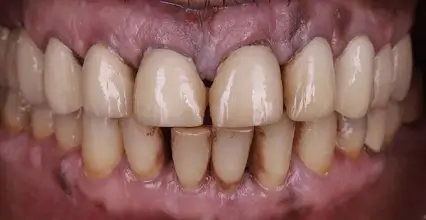
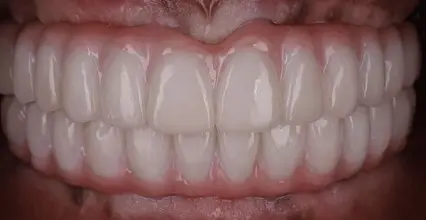
You deserve a smile that feels confident and comfortable, and San Luis Obispo offers a range of smile makeover options to get you there. Whether you want brighter teeth, straighter alignment, or restorations that look natural, local dentists combine cosmetic and restorative treatments to create personalized results.

They explain each option clearly—veneers, teeth whitening, clear aligners, crowns, implants—and design a plan that balances aesthetics, oral health, and comfort. Expect modern techniques, attention to patient comfort, and guidance on maintaining your new smile so improvements last.

Understanding Smile Makeovers

Blog image

A smile makeover combines cosmetic and restorative dentistry to improve appearance, function, and confidence. It blends multiple treatments tailored to a patient’s teeth, gums, bite, and facial proportions.

What a Smile Makeover Involves

A comprehensive exam starts the process: digital photos, X-rays, bite records, and often 3D scans to map tooth position and jaw relationships. The dentist evaluates tooth color, shape, alignment, wear, gum contours, and any missing teeth to build a prioritized treatment plan.

Typical procedures include:

  • Teeth whitening for surface and intrinsic staining.
  • Veneers to change shape, size, and color of front teeth.
  • Crowns for heavily-restored or fractured teeth.
  • Orthodontics (clear aligners or braces) to correct alignment and bite.
  • Dental implants or bridges to replace missing teeth.
  • Gum reshaping for uneven gum lines or a “gummy” smile.

Treatment sequencing matters: the team addresses health issues first (decay, periodontal disease), then alignment, followed by restorative and cosmetic work. This order protects results and reduces retreatments.

Who Can Benefit

Any adult with aesthetic concerns or functional problems may benefit, provided their oral health allows treatment. Candidates commonly have stained, chipped, worn, crowded, gapped, or missing teeth, or disproportionate gum display.

Patients with untreated gum disease, active decay, or uncontrolled medical conditions need stabilization before cosmetic steps. Older adults often benefit from implants or crowns to restore chewing function alongside cosmetic improvements. Younger adults frequently choose whitening, veneers, or clear aligners for self-confidence boosts.

Expectations and budget guide choices: some patients want minimal change, focusing on whitening and minor bonding; others seek full-mouth rehabilitation involving orthodontics and implants. A consultation clarifies medical suitability, timeline, and phased options.

Common Goals for Treatment

Patients typically pursue a smile makeover for three main goals: enhanced appearance, improved function, and long-term oral health. Cosmetic goals include whiter, straighter, and more symmetrical teeth to harmonize with facial features. Functional goals focus on comfortable chewing, stable bite, and elimination of tooth sensitivity or pain.

Durability and maintenance factor into planning. For example, porcelain crowns and veneers resist staining and last longer than composite bonding, but require healthy supporting teeth and enamel preservation. Implants replace roots to prevent bone loss and support adjacent teeth, improving chewing efficiency.

Care plans include preventive steps: regular cleanings, night guards for bruxism, and home whitening touch-ups when appropriate. The dental team discusses realistic timelines, costs, and warranties to help patients choose treatments that meet appearance, comfort, and budget objectives.

Popular Cosmetic Dental Treatments

These treatments focus on improving tooth color, shape, and alignment using durable materials and conservative techniques. They balance aesthetics with function, recovery time, and cost so patients can choose what fits their lifestyle and goals.

Porcelain Veneers

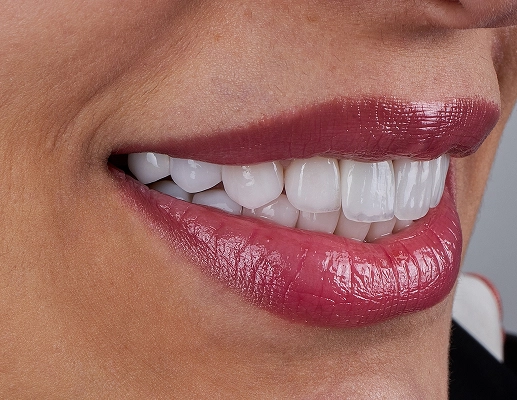
Porcelain veneers are thin, custom-made shells bonded to the front of teeth to correct chips, gaps, and severe discoloration. The process usually takes two visits: a conservative enamel reduction and digital impressions, followed by bonding of laboratory-fabricated veneers.

Veneers resist staining and mimic natural translucency, lasting 10–15 years with good care. Candidates need healthy gums and sufficient enamel; significant decay or bite problems may require prior treatment. Patients should expect local anesthesia during prep, a temporary set between visits, and post-placement sensitivity that typically resolves within days.

Costs vary by material and lab quality; many practices offer financing. Maintenance includes routine hygiene, avoiding hard bites, and using a nightguard for bruxism.

Teeth Whitening Options

Professional whitening in-office uses high-concentration peroxide gels plus light activation for rapid shade improvement, often achieving several shades in a single session. Take-home kits provided by dentists use custom trays and lower-concentration gel for controlled overnight or daily use over one to two weeks.

Over-the-counter strips and toothpaste offer milder, less predictable results and can irritate gums if misused. Whitening works best on extrinsic stains from coffee, tea, or tobacco; intrinsic discoloration from trauma or tetracycline may need veneers or bonding instead.

Sensitivity is the most common side effect and can be managed with desensitizing toothpaste, shorter application times, or a pause in treatment. Dentists evaluate restorations first, since crowns and veneers won’t bleach and may need replacement to match whitened teeth.

Dental Bonding Solutions

Dental bonding uses tooth-colored composite resin to repair chips, close small gaps, or reshape teeth in a single visit with minimal enamel removal. The dentist roughens the tooth surface, applies an adhesive, sculpts the resin, and cures it with a light for a quick, cost-effective cosmetic fix.

Bonding is less expensive than veneers but typically lasts 5–7 years and is more prone to staining and chipping. It suits patients seeking an immediate improvement or a reversible option; heavy grinders may need a more durable restoration.

Care involves standard oral hygiene, avoiding stain-causing foods for 48 hours, and routine dental checkups to polish and repair the material as needed.

Enhancing Smiles with Orthodontics

Orthodontics can straighten teeth, correct bite problems, and create a more balanced facial appearance. Treatment choices hinge on alignment goals, lifestyle, and how quickly the patient wants results.

Clear Aligners Versus Braces

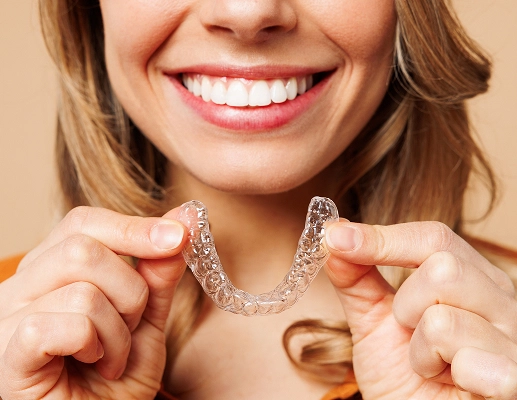
Clear aligners use a series of custom, removable trays to shift teeth incrementally. They work well for mild to moderate crowding, spacing, and some bite corrections. Patients remove them for eating and brushing, which helps maintain oral hygiene and reduces the risk of decay during treatment. Typical treatment time ranges from 6 to 18 months depending on case complexity. Compliance matters: aligners require at least 20–22 hours of wear per day to stay on schedule.

Traditional metal or ceramic braces attach brackets and wires to teeth for continuous force and precise tooth control. Braces better address complex movements such as significant rotations, severe crowding, or vertical corrections. Adjustments every 4–8 weeks guide progress, and treatment often spans 12–30 months. Modern brackets are smaller and more comfortable than older designs, and ceramic options offer a less noticeable appearance for image-conscious patients.

Benefits for Adult Patients

Orthodontic treatment improves chewing function and reduces uneven wear that can lead to tooth fracture or jaw pain. Adults often address long-standing issues that affect periodontal health; realigning teeth can make daily flossing and cleaning more effective. Many adults combine orthodontics with restorative work—veneers, crowns, or implants—to achieve both functional and cosmetic goals.

Treatment options suit adult schedules: clear aligners minimize appointments and social disruption, while new low-profile braces reduce discomfort. Orthodontics can also alleviate TMJ-related symptoms when misalignment contributes to jaw strain. A consultation evaluates bone support and gum health to design a plan that balances tooth movement speed with long-term stability and periodontal safety.

Restorative Solutions for a Healthy Smile

These treatments restore function, appearance, and long-term oral health using modern materials and predictable techniques. Patients can expect durable results, improved chewing, and options that match natural tooth color and shape.

Dental Implants for Missing Teeth

Dental implants replace missing roots with a titanium post anchored in the jaw, topped with a custom crown that matches adjacent teeth. The implant prevents bone loss by stimulating the jaw, which preserves facial structure and helps maintain neighboring teeth’ positions.

Candidates need adequate bone volume or a graft to support the implant; the clinician evaluates this with 3D imaging and medical history. Healing typically takes 3–6 months before placing the final crown, though immediate-load implants may work for select cases. Implants require routine brushing, flossing, and professional exams; with good care they often last decades.

Costs vary by the number of implants, need for grafting, and type of restoration. Many practices offer treatment plans and financing. Patients concerned about surgery can discuss sedation options and step-by-step timelines to reduce anxiety.

Upgrading Fillings and Crowns

Old metal fillings and worn crowns can fail, leak, or discolor, increasing the risk of decay and sensitivity. Replacing amalgam with tooth-colored composite or ceramic improves appearance and seals margins more closely, reducing recurrent decay.

Modern crowns use strong, lifelike ceramics or zirconia that resist chipping and match enamel translucency. The process involves removing decay or old restorations, taking digital impressions, and fitting a precisely contoured restoration. Same-day CAD/CAM crowns are available in many offices, cutting treatment to a single visit.

Longevity depends on oral hygiene, bite forces, and material choice; the dentist recommends options tailored to aesthetics, strength, and budget. Patients often choose upgraded restorations when pursuing a broader smile makeover for consistent color and shape across all teeth.

Personalized Treatment Planning

Personalized treatment planning combines digital visualization and a detailed clinical exam to create a tailored smile plan. It balances aesthetic goals, oral health needs, timeline, and budget into a cohesive roadmap for predictable results.

Digital Smile Design

Digital Smile Design (DSD) uses photos, videos, and 3D scans to create a visual mockup of proposed changes. The lab and dentist manipulate tooth shape, size, and alignment on-screen so the patient can see proposed veneers, crowns, or orthodontic corrections before any irreversible work begins.

DSD also integrates facial proportions and lip dynamics, not just isolated teeth, to ensure the result suits the individual’s face. Color matching and translucency can be previewed using shade-selection tools, reducing surprises when restorations arrive from the lab.

Many practices in San Luis Obispo provide a printed or digital simulation to review at the consult. Patients often comment that seeing a realistic preview helps them set priorities, like correcting a gap first or focusing on whiteness.

Consultation and Assessment Process

The consultation starts with a medical and dental history, followed by targeted exams: periodontal probing, bite analysis, and intraoral scans or impressions. Radiographs or CBCT images are taken when implants or complex restorative work are considered.

The clinician discusses functional issues—grinding, bite collapse, TMJ symptoms—and links them to aesthetic choices. This step ensures that veneers or whitening don’t fail because underlying structure needs treatment first.

The team reviews timelines, phased treatment options, and financing. A written plan outlines recommended procedures, alternatives, estimated costs, and maintenance instructions so the patient leaves with clear next steps and realistic expectations.

Comfort and Care During Your Transformation

The practice prioritizes emotional comfort and physical safety throughout cosmetic and restorative procedures. Patients receive clear explanations, personalized pain-control plans, and regular check-ins from staff during every visit.

Managing Dental Anxiety

Many patients feel nervous before cosmetic work like veneers or implants; the team addresses this with empathy and practical steps. Before treatment, they perform a thorough consultation that includes a walk-through of the procedure, expected sensations, and recovery timeline so patients know exactly what to expect.

They offer short relaxation exercises and breathing techniques in the operatory to reduce heart rate and tension. Staff members use a calm tone, explain each instrument and step, and allow patients to signal for pauses with a simple hand squeeze system.

The practice also schedules longer appointment times for anxious patients to avoid rushing and provides noise-cancelling headphones or music to help distract from clinical sounds. Follow-up calls after the appointment check on pain control and healing, and staff adjust aftercare instructions to match individual comfort needs.

Sedation and Pain-Free Dentistry

For those who prefer medication-based anxiety control, the clinic provides several sedation options tailored to the procedure and medical history. Nitrous oxide (laughing gas) offers light, quickly reversible relaxation for shorter treatments and can be adjusted during the visit.

Oral sedation with prescribed benzodiazepines is available for moderate anxiety; patients take a pill before arrival and remain responsive but relaxed. For complex or lengthy procedures, the office collaborates with a certified anesthesiologist to offer IV sedation, which delivers deeper sedation while maintaining vital signs monitoring.

Local anesthesia is always used for pain control, with buffered anesthetic available to reduce injection discomfort. The team explains risks, benefits, fasting rules, and transportation needs for each sedation level before scheduling, and provides written pre‑ and post‑op instructions to ensure safe, pain‑free recovery.

Maintaining Your New Smile

Daily care, deliberate habits, and regular professional checks keep restorations and natural teeth healthy and looking their best. Focus on gentle cleaning, stain prevention, and timely visits to protect veneers, crowns, implants, and whitening results.

At-Home Oral Care Tips

They should brush twice daily with a soft-bristled toothbrush and a fluoride toothpaste to remove plaque without abrading veneers or crown margins. Use small, circular motions and a 45-degree angle at the gumline for about two minutes each session.

Flossing once daily matters for preventing decay and gum disease around restorations. If flossing feels difficult, try floss threaders for bridges and implant-specific floss for implants; interdental brushes sized to the contact spaces also work well.

Avoid abrasive whitening toothpastes and hard scrubs that can dull porcelain or remove bonded composite. Rinse after acidic foods and wait 30–60 minutes before brushing to reduce enamel wear. For stain control, limit coffee, red wine, and tobacco; use a straw when drinking staining beverages.

Consider at-home fluoride rinses or prescription-strength topical fluoride if a dentist recommends them. For nighttime grinders, a custom nightguard prevents chipping and loosening of crowns and veneers.

Recommended Dental Visits

They should schedule a hygiene visit every 3–6 months based on risk: every three months for active gum disease or heavy staining, and every six months for routine maintenance. These visits allow professional cleaning of hard-to-reach areas and early detection of issues.

Include a restorative check at least once a year to assess the fit and condition of crowns, veneers, and implant components. X-rays as recommended help spot underlying decay or bone changes before symptoms appear.

Bring a list of current prosthetics and any sensitivity or changes in bite to each appointment. If a restoration chips, feels loose, or causes discomfort, call the dental office promptly to avoid further damage or infection.

Finding the Right Dental Expert in San Luis Obispo

Patients should prioritize providers who combine clinical skill with clear communication, modern technology, and a patient-centered approach. Practical factors like location, office hours, and insurance compatibility also make a difference.

Qualities to Look for in a Provider

Choose a dentist with credentials that match the planned procedures: look for DDS/DMD plus postgraduate training in cosmetic dentistry, prosthodontics, or orthodontics for complex smile makeovers. Verify membership in professional organizations such as the American Academy of Cosmetic Dentistry for ongoing education.

Evaluate clinical experience by asking how many veneers, crowns, or full-mouth rehabilitations the dentist performs yearly. Request before-and-after photos of cases similar to the patient’s needs and ask about complication rates and how they handle revisions.

Prioritize practices with advanced diagnostic tools—digital X-rays, intraoral cameras, and CAD/CAM milling—to streamline treatment and improve outcomes. Confirm the team’s focus on patient comfort: sedation options, pain-control protocols, and a clear explanation of recovery expectations.

Check logistics: office hours, emergency access, financing plans, and whether the practice accepts the patient’s insurance. Read recent patient reviews for consistent themes about communication, timeliness, and long-term results.

What to Expect During Your First Visit

The initial appointment typically includes a thorough medical and dental history update to identify risks such as bruxism, gum disease, or allergies that affect cosmetic choices. The dentist will perform a focused exam using intraoral photos and digital X-rays to evaluate tooth structure, bone support, and soft tissues.

Expect a discussion of aesthetic goals where the clinician will ask about preferred tooth shape, shade, and budget. The provider often uses mock-ups or digital smile design software to show potential outcomes and align expectations.

A treatment plan will include step-by-step options—teeth whitening before veneers, sequencing for orthodontics, or timing for implants—with estimated costs and timelines. The team will go over sedation choices, post-procedure care, and what to do in case of sensitivity or complications.

Patients usually leave with a written plan, financing options if needed, and next-step scheduling for imaging, preparatory treatments, or lab-fabricated restorations.

Next Steps Toward Your Dream Smile

They begin with a consultation to review goals, medical history, and budget. The dentist performs a focused exam and discusses suitable options like veneers, whitening, orthodontics, or implants.

A digital smile preview or intraoral photos often help patients visualize outcomes. Seeing simulated results reduces uncertainty and guides treatment decisions.

The team recommends a personalized treatment plan that lists procedures, timeline, and costs. It clarifies what to expect at each visit and highlights steps to maximize comfort and healing.

Insurance, financing, and payment plans get reviewed so patients can choose a workable option. Transparent estimates prevent surprises and support steady progress toward the final result.

Pre-treatment health measures—cleaning, addressing decay, or treating gum disease—ensure lasting restorations. Preventive care also reduces the chance of complications after cosmetic work.

Patients receive clear aftercare instructions, including home hygiene tips and follow-up schedules. Small habits, like using a nightguard or avoiding staining foods for a short time, protect investments.

They are encouraged to ask questions and request references or before-and-after photos. Scheduling a consultation is the next practical step to start a tailored plan and feel confident about the path forward.

Frequently Asked Questions

This section answers common patient concerns about specific treatments, costs, timelines, comfort measures, comparisons among popular options, and simple aftercare habits that preserve results.

What treatments are typically included in a smile makeover, and how do I know which ones I actually need?

A smile makeover often combines cosmetic and restorative treatments such as porcelain veneers, composite bonding, professional whitening, clear aligners, crowns, and gum contouring.
A dentist in San Luis Obispo evaluates bite, tooth color, alignment, tooth size, and gum display, then recommends a tailored plan based on goals, oral health, and budget.

How much does a full smile makeover usually cost, and what factors can change the price?

Full smile makeovers in San Luis Obispo typically range from a few thousand to tens of thousands of dollars depending on complexity.
Key cost drivers include the number of teeth treated, materials chosen (e.g., porcelain vs. composite), need for orthodontics or gum surgery, and whether restorative work like implants or crowns is required.

How long does a smile makeover take from the first visit to the final results?

Simple plans—whitening and minor bonding—can finish in one to three visits over a few weeks.
Comprehensive makeovers involving veneers, aligners, or implants often take several months; aligners may require 3–12 months, while implants need healing time after placement.

Will the procedures be painful, and what comfort options are available during treatment?

Most procedures cause only mild to moderate discomfort, which the dentist manages with local anesthesia and, when appropriate, oral or IV sedation.
Postoperative soreness is common for a few days after treatments like crowns, extractions, or implant surgery; prescribed or over-the-counter pain relievers and cold compresses usually control it.

How do veneers, bonding, whitening, and clear aligners compare for improving my smile?

Veneers provide long-lasting, highly aesthetic results for shape and color but require tooth reduction and higher cost.
Composite bonding offers a conservative, lower-cost fix for chips and gaps but stains and wears faster.
Professional whitening is the quickest, least invasive way to brighten natural teeth but does not change shape.
Clear aligners correct alignment discreetly and can improve function and smile appearance but take longer and may be combined with other treatments.

What is the 3-3-3 dental rule, and how can it help me keep my smile makeover results looking great?

The 3-3-3 rule advises brushing three times daily, flossing three times per week (or daily if possible), and seeing the dentist every three to six months depending on needs.
Following this routine helps prevent stains, decay, and gum disease, protecting veneers, bonding, crowns, and natural teeth so results last longer and look their best.