
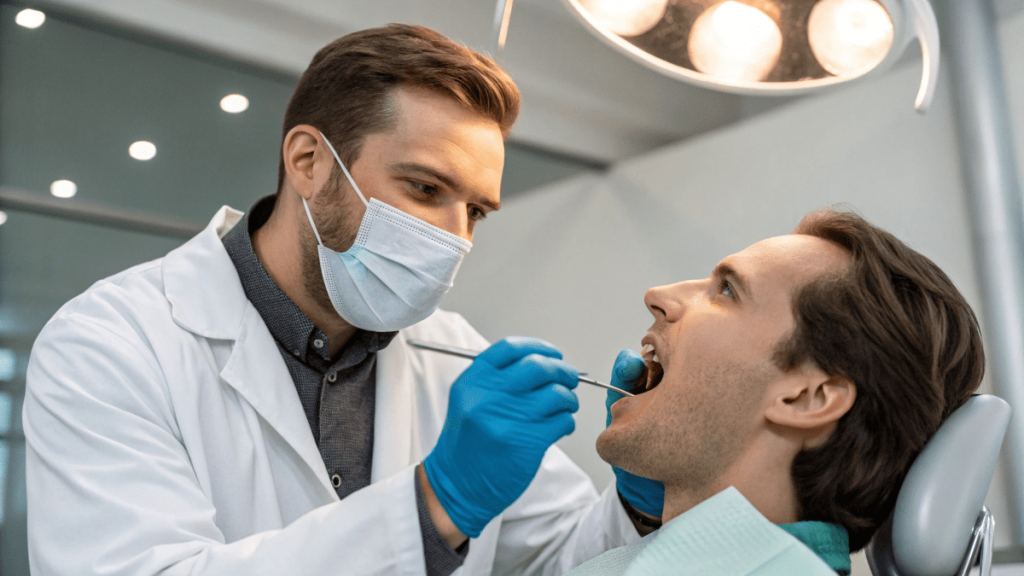
You can find effective, affordable teeth whitening options in San Luis Obispo without sacrificing safety or results. Local dental offices and certified clinics offer professional treatments and budget-friendly at‑home kits that deliver noticeable whitening while protecting enamel and gum health.
This article explains how whitening works, what professional care adds, and which low‑cost choices make sense in SLO. It will also help you weigh true value versus price, pick a trustworthy provider, and keep a brighter smile looking its best — so you can decide your next step with confidence.
How Teeth Whitening Works
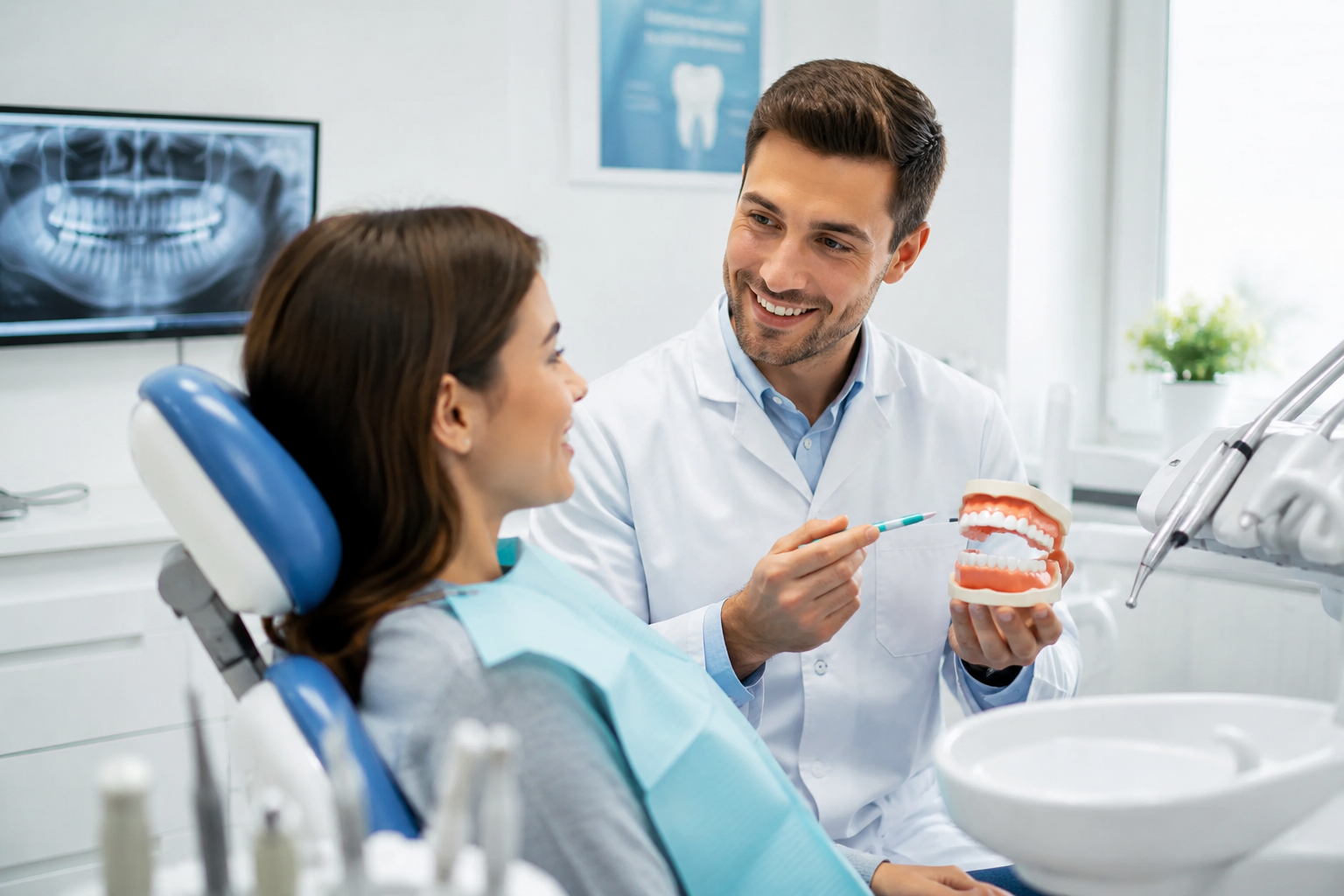
Teeth whitening lightens enamel and dentin stains using peroxide-based chemistry, professional application, and occasional light activation. The process depends on stain type, treatment strength, and how consistently the patient follows instructions.
Causes of Tooth Discoloration
Extrinsic stains form on the enamel surface from coffee, tea, red wine, tobacco, and dark sauces. These respond well to polishing, whitening toothpastes, and most in-office or take-home peroxide treatments.
Intrinsic stains occur inside the tooth from aging, certain antibiotics (like tetracycline taken during tooth development), excessive fluoride, trauma, or root canal treatments. These are harder to remove and often need stronger in-office bleaching or alternative treatments such as veneers or bonding.
Other factors include genetics (thinner or more porous enamel shows dentin color), enamel erosion exposing darker dentin, and restorations (crowns, fillings) that don’t change color with bleaching. A dentist evaluates medical history and existing restorations to set realistic expectations.
Types of Whitening Treatments
Over-the-counter options include whitening strips, gels, and whitening toothpaste with low peroxide or abrasive agents. They are affordable and convenient but provide limited shade change and uneven results on restorations.
Dentist-supervised take-home kits use custom trays and 10–22% carbamide peroxide or 3–10% hydrogen peroxide. These balance safety and effectiveness, yielding noticeable improvement in 1–2 weeks with daily wear.
In-office whitening uses higher-concentration hydrogen peroxide (often 25–40%) and may include isolation and desensitizing protocols. It delivers faster, more controlled results, often in a single visit or a short series. Dentists may combine light or heat but rely mainly on peroxide chemistry.
Alternative restorative options for resistant stains include porcelain veneers and composite bonding. These change appearance instantly but involve more tooth alteration and higher cost. Dentists recommend options based on stain type, budget, and tooth structure.
Understanding Whitening Results
Effectiveness depends on stain origin: extrinsic stains can lighten several shades, while intrinsic stains typically show modest improvement. Age and enamel thickness also influence final shade.
Sensitivity is common during and after treatment; dentists mitigate it with lower-concentration gels, shorter application times, desensitizing agents, or fluoride varnish. Pre-existing gum recession or cavities increase sensitivity risk and should be addressed first.
Whitening does not affect porcelain, ceramic, or composite restorations, so matching new restorations to the post-whitening shade avoids mismatch. Maintenance includes avoiding stain-causing foods for 48 hours post-treatment and using touch-up trays or at-home strips every few months depending on habits.
Benefits of Professional Whitening in San Luis Obispo
Professional whitening in San Luis Obispo delivers controlled, effective treatment that protects oral health, targets stubborn stains, and creates predictable results. Local practices use licensed clinicians, tailored plans, and faster in-office options to balance comfort, safety, and value.
Safe and Supervised Care
A licensed dentist evaluates oral health before whitening to avoid treating active decay, gum disease, or exposed roots that can worsen with peroxide-based products. They perform an exam, take X-rays if needed, and recommend addressing other dental issues first.
During treatment, a dental team controls peroxide concentration, applies gingival barriers, and monitors tissue response. This reduces chemical burns, uneven whitening, and post-procedure sensitivity. Clinics in San Luis Obispo also follow infection-control standards and can pause treatment if a patient experiences discomfort.
For patients with sensitivity or restorations, dentists can adjust formulas, use desensitizing gels, or stage treatments over several visits. That supervision lowers risk and produces a shade change that aligns with the patient’s anatomy and expectations.
Customized Plans for Your Smile
Dentists create whitening plans based on tooth shade, stain type (intrinsic vs. extrinsic), existing restorations, and lifestyle factors like coffee or tobacco use. They may combine in-office sessions with take-home trays to maintain results over months.
Custom trays fit precisely, delivering even contact with whitening gel and avoiding gum exposure that causes irritation. Clinicians set peroxide strength and wear time to balance speed and sensitivity, then provide instructions and follow-up to track progress.
Cost estimates and realistic expectations come with the plan. Patients receive a clear schedule, predicted shade range, and guidance on post-whitening care—such as avoiding staining foods for 48 hours and using whitening toothpaste—to protect the investment.
Faster Results Compared to Store-Bought Kits
Professional systems use higher-concentration whitening agents and, when appropriate, light or heat activation to accelerate bleaching. Many patients see noticeable improvement after a single in-office visit instead of weeks of over-the-counter use.
Clinicians control exposure time and can retreat specific areas during the appointment, achieving more uniform whitening than generic strips or trays. This targeted approach often reduces the need for repeated consumer-product cycles that add cost and inconsistent outcomes.
Faster results matter for events like weddings, graduations, or job interviews. San Luis Obispo practices offer scheduling flexibility, including afternoon and early-evening appointments, to fit busy calendars and deliver a brighter smile on a predictable timeline.
Affordable Whitening Options Locally
Residents can choose between professional in-office treatments for fast, supervised results and dentist-provided at-home systems that balance cost with convenience. Both paths prioritize safety, predictable shade goals, and options that minimize sensitivity.
In-Office Whitening Treatments
In-office whitening at San Luis Obispo dental practices typically uses higher-concentration hydrogen peroxide gels activated by LED or laser lights. Visits usually last 60–90 minutes and can lift several shades in a single appointment, making them a good fit for someone with an upcoming event or who prefers a one-time professional session.
Dentists screen for cavities, gum disease, and restorations before starting to avoid uneven results. Many offices offer ways to reduce sensitivity, such as topical desensitizing agents, shorter exposure times, or staged treatments over two visits.
Cost ranges from about $350 to $700 locally depending on the practice and technology used. Patients should ask about guarantees, included touch-up kits, and whether the price covers follow-up sensitivity care.
At-Home Whitening Solutions from Your Dentist
Dentist-prescribed at-home kits use custom-fitted trays plus lower-concentration peroxide gel. Patients wear trays for a few hours daily or overnight for one to four weeks, which spreads cost over time and reduces the risk of acute sensitivity compared with in-office strength gels.
Custom trays ensure even contact with enamel and limit gum irritation, improving results versus over-the-counter strips. Dentists provide instructions, monitor progress at follow-up visits, and can adjust wear time or gel strength if sensitivity or uneven whitening occurs.
Typical local pricing for custom take-home kits ranges from $150 to $300, often including one tube of gel and a review appointment. Patients with restorations, deep stains, or dental disease receive tailored advice before starting to ensure predictable outcomes.
Comparing Costs and Value
Patients should weigh price against expected whiteness, treatment time, sensitivity management, and how long results last. Local clinic options in San Luis Obispo range from budget-friendly take-home trays to in-office laser procedures, and each delivers different value for money.
What Influences Whitening Prices
Several concrete factors drive the price of whitening in San Luis Obispo. Type of treatment matters most: dentist-supervised take-home kits typically run $200–$450, professional in-office whitening ranges $350–$800 per session, and over-the-counter strips or gels cost $10–$60.
Clinic reputation and dentist experience also affect fees. A practice with cosmetic specialization or advanced whitening systems charges more than a general clinic.
Material and technology add cost too. Higher-concentration peroxide gels, LED/laser accelerators, and custom-fitted trays raise prices but can shorten chair time or improve uniformity. Pre-treatment needs such as cleaning, existing restorations, or enamel issues increase the total; a prophylaxis visit ($75–$200) or repair of old crowns will add to the bill.
Location-specific overhead influences price as well. San Luis Obispo’s rental and staffing costs may make some clinics pricier than neighboring towns.
Hidden Costs of Over-the-Counter Products
OTC products look cheaper up front but can carry unseen expenses. Strips and whitening toothpastes cost less per purchase, yet achieving dentist-level brightness often requires repeated use for months, adding cumulative cost. An inexpensive strip pack at $20 used quarterly becomes comparable to a single professional session over a year.
Sensitivity and gum irritation create additional costs. If OTC whitening causes tooth sensitivity or chemical burns, patients may need a dental visit ($100–$300) for treatment or to halt enamel damage. Uneven whitening can highlight old composite fillings or crowns, requiring replacement at roughly $200–$1,200 per tooth depending on material and complexity.
Finally, time is a cost: OTC regimens demand daily application for weeks. For patients who value convenience and predictable outcomes, a slightly higher professional fee can offer better long-term value.
Choosing a Trustworthy Dental Provider
Find a provider who combines clear credentials with a comfortable office and transparent pricing. Patients should expect documented training, clear treatment plans, and visible efforts to minimize sensitivity during whitening.
Qualifications to Look For
Look for dentists with a current California dental license and membership in the American Dental Association (ADA) or California Dental Association (CDA). Those affiliations indicate adherence to state regulations and accepted clinical standards.
Check for specific training in cosmetic or restorative dentistry. Certificates from reputable programs (e.g., AACD courses or university continuing-education credits) show focused experience with whitening techniques and managing enamel and gum health.
Verify before-and-after photos and patient reviews that reference whitening outcomes and post-treatment sensitivity. Ask about chairside supervision: safe in-office whitening should be performed or directly overseen by a licensed dentist, not only a hygienist or assistant.
Confirm that the office uses FDA-cleared products or evidence-backed peroxide concentrations and provides a written treatment plan with expected results, risks, costs, and follow-up instructions.
Patient Comfort and Amenities
Choose offices that proactively manage sensitivity: ask if they offer topical desensitizers, lower-concentration gel protocols, or staggered appointments to reduce discomfort. Providers who measure enamel and gum health before whitening reduce the risk of complications.
Look for gentle chairside practices: soft-tissue protection (rubber dam or gingival barrier), LED activation with controlled timers, and cooling breaks during longer sessions. These specifics matter for comfort and safety.
Consider practical amenities that ease the visit: flexible scheduling, calm waiting areas, private operatories, and clear post-care instructions to limit tooth pain and staining relapse. Transparent pricing and packaged take-home trays or touch-up options help patients plan budget-wise.
Ask whether the practice performs a pre-whitening exam and a sensitivity test on a single tooth. That small step signals attention to individualized care and often prevents unpleasant surprises.
Caring for Your Brightened Smile
Maintain the new shade by protecting enamel, avoiding stain-causing foods, and keeping a simple upkeep routine that fits daily life. Regular home care plus occasional professional touch-ups preserve results and comfort.
Tips for Maintaining Whitening Results
Brush twice daily with a fluoride toothpaste and use a soft-bristled brush to avoid enamel wear. Floss daily to remove surface stains between teeth where whitening paste can’t reach.
Use a whitening toothpaste containing mild abrasives or low‑concentration peroxide two to three times weekly to help maintain shade. Rinse with a fluoride mouthwash after meals to neutralize acids and strengthen enamel.
Wear a custom nightguard if a dentist identifies bruxism; grinding can accelerate enamel thinning and expose yellow dentin. Stay hydrated and chew sugar-free gum with xylitol after meals to stimulate saliva and reduce staining.
Keep routine cleanings every six months. Professional polish and scaling remove surface stains and plaque that undermine whitening longevity.
Foods and Habits to Avoid
Limit coffee, black tea, red wine, and dark sodas—these contain chromogens that stick to enamel. When consuming them, use a straw for beverages and rinse with water immediately afterward.
Avoid smoking and vaping; nicotine and tar cause deep, persistent staining that counters whitening. Also cut back on highly acidic foods like citrus and tomato sauces which soften enamel and make it more stain-prone.
Be cautious with colored spices (turmeric, curry) and berries that contain strong pigments. If eating stain-rich foods for special occasions, brush within 30–60 minutes or rinse and chew sugar-free gum to reduce pigment absorption.
Avoid abrasive home remedies (baking soda in high concentration, whitening pens overused) because they can damage enamel and cause sensitivity. Follow professional guidance for safe product use.
Scheduling Touch-Up Treatments
Many patients benefit from in-office or take‑home touch-ups every 6–12 months depending on habits and initial whitening strength. A dentist will assess shade stability and recommend frequency tailored to tea/coffee intake, smoking status, and enamel condition.
For take-home trays, a common protocol is one night every 1–3 months or a few nights after noticing color shift. For in-office boosters, brief single sessions every 9–12 months restore brightness quickly with professional monitoring.
Track shade changes with a simple photo or shade guide at home and report increased sensitivity or uneven color to the dentist before re-treatment. Scheduling during regular cleanings streamlines care and keeps results predictable.
Making Teeth Whitening Fit Your Budget
They can compare options before committing to a treatment. Professional in-office whitening gives faster, more predictable results but costs more; take-home kits from a dentist balance effectiveness and price.
Patients on a tight budget can start with over-the-counter products. Whitening toothpaste and strips reduce surface stains and can be a good first step for mild discoloration.
Many practices offer payment plans and financing to spread costs. Ask about in-office specials, membership plans, or seasonal discounts to lower the upfront expense.
A simple checklist helps decide what to choose:
- Severity of staining: deep stains may need professional care.
- Desired speed: quick results often cost more.
- Tooth sensitivity: gentler options may be pricier but more comfortable.
- Longevity: professional treatments tend to last longer.
They should consider combining strategies for value. For example, a single in-office session followed by at-home touch-ups can extend results without repeating costly appointments.
Patients should request an exam before buying any whitening product. A dentist can identify restorations, decay, or gum issues that affect safety and effectiveness.
Encourage a consultation to review personalized options and costs. Scheduling a brief visit helps align expectations, protect dental health, and choose the most cost-effective plan.
Next Steps Toward a Brighter Smile
They should start by scheduling a consultation with a local San Luis Obispo dentist to review options and costs. A short exam and discussion of goals clarify whether in-office whitening, take-home trays, or over-the-counter products fit best.
They should ask about promotions, bundled care, or payment plans to keep treatment affordable. Many practices offer discounts for first-time patients, seasonal specials, or flexible financing that spreads cost over months.
They should prepare a short list of questions: expected results, sensitivity management, treatment length, and follow-up care. Bringing photos or noting past whitening attempts helps the dentist recommend the right approach.
They should consider preventive steps to protect results: regular cleanings, limiting staining foods and drinks, and using a soft-bristled brush with fluoride toothpaste. A simple at-home routine extends whitening effects and supports overall oral health.
They should compare providers by checking reviews, verifying licenses, and asking about staff training and safety protocols. Comfort and clear communication matter as much as price.
They should contact the office to book an appointment or request a cost estimate. A friendly staff member can explain next steps, timing, and any preparatory instructions.
Frequently Asked Questions
Patients often want clear costs, treatment differences, safety for sensitive gums, and practical steps to keep teeth white after treatment. The answers below explain typical prices in San Luis Obispo, compare in-office and take-home options, cover longevity and maintenance, and address safety and habits that affect staining.
How much should I expect to pay for professional teeth whitening, and what affects the price?
Professional in-office whitening in San Luis Obispo typically ranges from $300 to $800 per session. Prices vary with the practice, the whitening system used, and whether additional services (exam, cleaning, or custom trays) are included.
Take-home professional kits generally cost $150 to $350. Custom-fitted trays, stronger professional gels, and follow-up visits increase cost compared with over-the-counter products.
Patient factors also affect price: existing restorations, degree of staining, and need for periodontal care can require extra work. Providers may bundle whitening with a cleaning or exam, changing the total fee.
What’s the difference between in-office whitening and take-home whitening trays, and which one fits my needs?
In-office whitening uses higher-concentration peroxide and professional techniques for faster results, often one to two shades in a single appointment. It suits patients seeking rapid, supervised improvement or those with significant staining.
Take-home trays are custom-fitted by a dentist and use lower-concentration gels applied over days to weeks. They fit patients who prefer gradual whitening, lower per-treatment cost, and the convenience of treating at home.
Dentists recommend in-office treatment for deep, intrinsic stains and take-home trays for maintenance or mild extrinsic staining. The dental team assesses tooth sensitivity, lifestyle, and timing to advise the best option.
How long do whitening results usually last, and what can I do to keep my smile bright?
Professional whitening commonly lasts six months to three years, depending on habits and maintenance. Results fade faster with frequent exposure to staining substances like coffee, red wine, and tobacco.
Maintain brightness by avoiding staining foods soon after treatment and using a whitening toothpaste two to three times weekly. Periodic touch-ups with take-home trays or in-office boosters help extend results.
Regular dental cleanings every six months remove surface stains and support long-term color stability. Dentists can schedule personalized touch-ups based on how quickly a patient’s teeth re-stain.
Is teeth whitening safe if I have gum disease or sensitive gums?
Dentists generally postpone whitening until active gum disease is treated. Whitening over inflamed or infected gums can worsen sensitivity and cause irritation.
For patients with a history of sensitivity, providers use lower-concentration gels, desensitizing agents, or shorter application times. Custom trays and careful isolation protect soft tissues during treatment.
A clinical exam and periodontal evaluation determine safety and timing. The dental team prioritizes gum health and comfort before starting whitening.
What is the 3-3-3 rule for teeth, and does it help prevent stains over time?
The 3-3-3 rule advises rinsing, waiting, and spacing to reduce staining: rinse with water or brush after a staining meal, wait 30 minutes before brushing to protect enamel, and limit staining beverages to three times a day.
Implementing these steps reduces surface stain buildup and limits acid exposure that makes enamel more susceptible to discoloration.
This habit helps preserve whitening results but does not prevent intrinsic stains from aging or certain medications. Dentists recommend combining the rule with routine cleanings and occasional touch-ups.
Can I use nicotine pouches after whitening, and will they stain my teeth again?
Nicotine pouches can still cause staining because some contain colorants and irritants that affect enamel appearance. Using them after whitening increases the risk of rapid re-staining and diminishes the procedure’s longevity.
Dentists advise avoiding all tobacco and nicotine products to keep results longer and protect oral health. If a patient continues nicotine pouch use, they should expect more frequent touch-ups and discuss realistic outcomes with their provider.